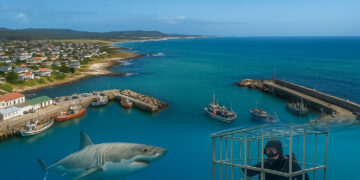
Cape Town was known as “Camissa” by the Indigenous Khoikhoi
Cape Town may be known today for Table Mountain, wine farms, and ocean views that make your heart do a little somersault. But long before it became the world-famous city we know today, this place had a very different name — and a very different story.
Camissa: “The Place of Sweet Waters”
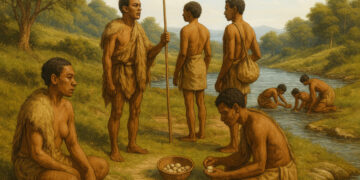
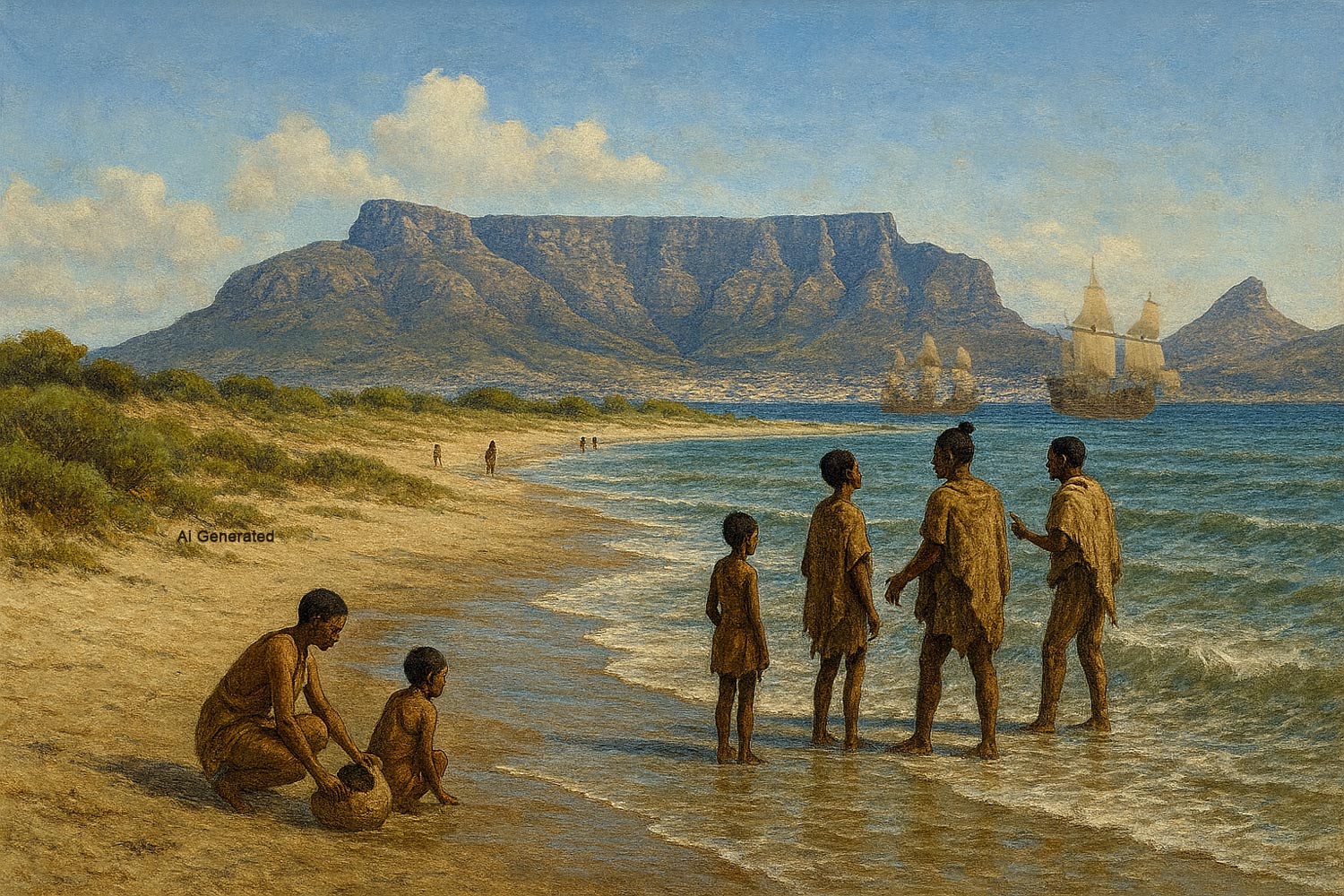
Long before Europeans arrived, the Indigenous Khoikhoi people knew this land as Camissa, a word from the Khoekhoegowab language meaning “place of sweet waters.”
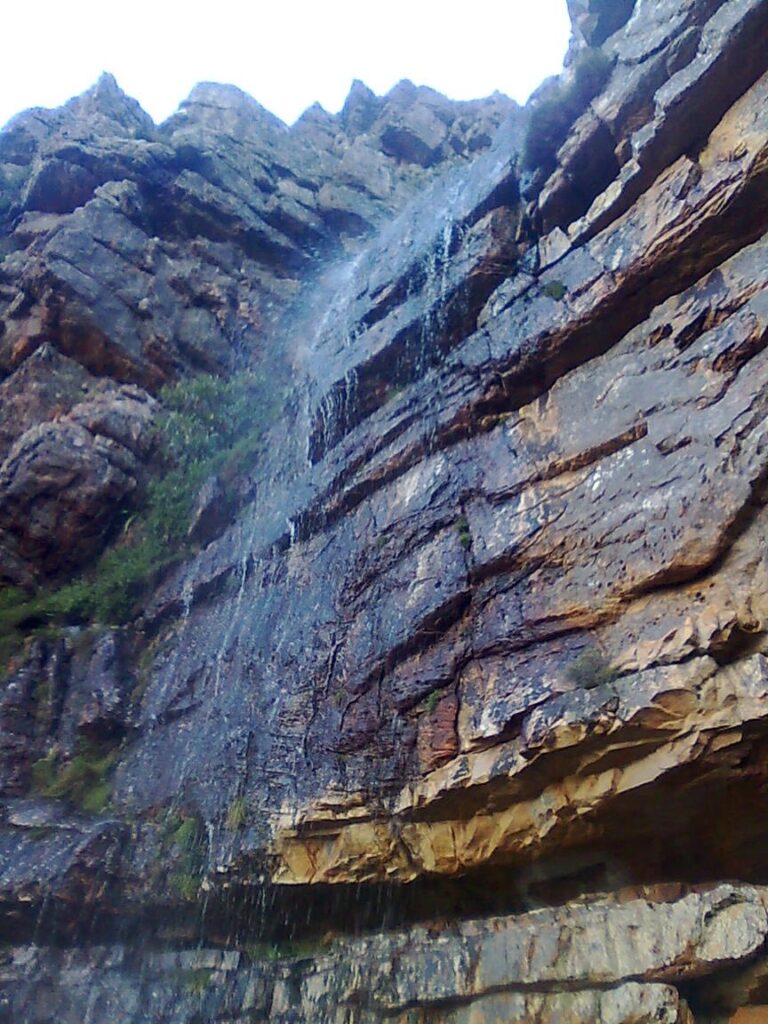
And they weren’t exaggerating. Fresh, clear mountain springs once flowed from Table Mountain right down to the coast — a lifeline for the communities who lived, farmed, and traded along the shores of Table Bay.
These springs supplied:
drinking water
grazing areas for livestock
natural gathering points for
families and clans
Camissa wasn’t just a name — it was the heart of life in the area.
||Hui !Gais: “Where the Clouds Gather”
The Khoikhoi also used another name for the region: ||Hui !Gais, meaning “where clouds gather.”
If you’ve ever seen the iconic “tablecloth” cloud roll dramatically over Table Mountain, you’ll understand exactly why. For the Khoikhoi, this wasn’t just weather — it was a natural landmark that signaled home.
Then Came 1652… A New Chapter Begins
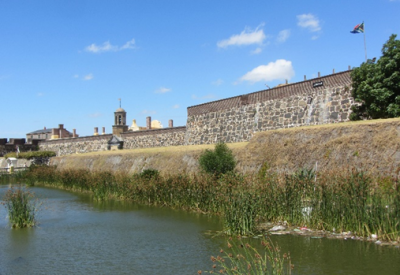
In 1652, when Jan van Riebeeck and the Dutch East India Company arrived to establish a refreshment station, the Cape entered a new and complex chapter in its story. Their settlement grew quickly, blending European influence with the deep-rooted Indigenous history already present at the foot of Table Mountain.
What followed was the beginning of Kaapstad — Cape Town, a place where cultures, languages, traditions, and trade routes would eventually intertwine. Over time, the settlement expanded around the same life-giving springs that had sustained the Khoikhoi for generations, creating a crossroads that connected Africa, Europe, and Asia.
Today, visitors can explore this layered history throughout the city:
Walk the routes shaped by early explorers and Indigenous traders
Discover restored water channels and heritage sites linked to Camissa
Experience Cape Town’s vibrant mix of cultures, cuisine, and architecture
While the colonial period introduced immense change, it also laid the groundwork for the diverse, cosmopolitan city Cape Town is today — a place where the stories of the Khoikhoi, the Dutch, enslaved peoples from across the world, and later communities all come together to create one of the most culturally rich destinations on the planet.
The Dutch called the growing settlement Kaapstad — Cape Town — and the Indigenous names faded from official maps.
But Camissa Never Disappeared
Here’s the part most people don’t know:
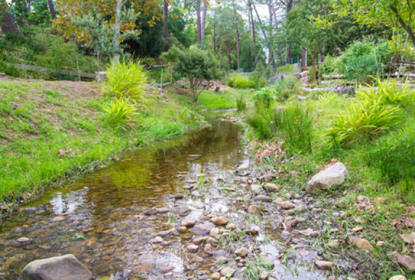
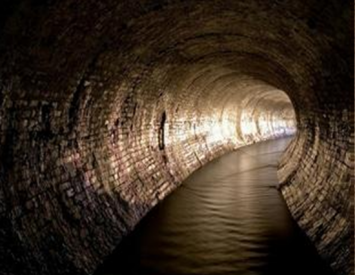
The springs of Camissa still exist — quietly flowing beneath the city.
Some of the original channels and waterways survive beneath streets like Adderley and Bree. Heritage groups have even mapped sections of the Camissa River, connecting the modern city back to its pre-colonial roots.
And today, the name “Camissa” is being revived:
by historians
by Indigenous heritage organisations
by cultural activists
and by everyday Capetonians who want the full story of their city told.
Why This History Matters
Cape Town wasn’t born in 1652. It existed long before the first Dutch ship dropped anchor.
Knowing the name Camissa restores part of the narrative that was lost — the story of the Khoikhoi people, their connection to the land, and the sweet waters that sustained generations.
It’s a reminder that beneath the skyscrapers, traffic lights, and coffee shops…
There’s an ancient city still flowing under our feet.
Sources
Camissa Museum – Heritage research on the First People, Camissa River, and Indigenous water systems. https://camissamuseum.co.za/
Worden, N., van Heyningen, E. & Bickford-Smith, V. Cape Town: The Making of a City (David Philip, 1998). https://www.jonathanball.co.za/