Dreaming of a tropical escape with none of the visa headache?
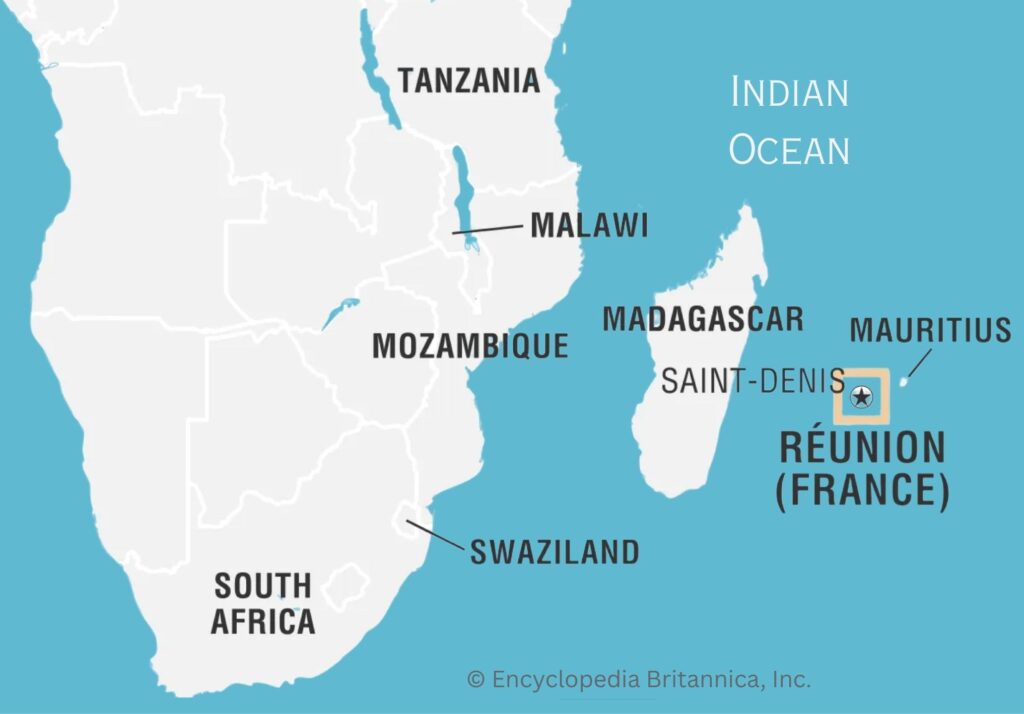
Reunion Island beckons—an unspoiled jewel 700 km east of Madagascar, nestled in the Indian Ocean and part of France’s overseas departments. If you’re craving epic landscapes, multicultural vibes, and the freedom to land without paperwork stress (depending on your passport), let’s dive in.
How Far Is Reunion Island from South Africa?
Reunion Island is a small tropical gem located in the Indian Ocean, roughly 2,200 kilometers east of South Africa’s coast. Nestled between Madagascar and Mauritius, this French overseas territory is just a 4.5-hour flight from Johannesburg, making it an incredibly accessible international destination for South Africans. Covering only 2512 sq kms, the island offers a tremendous mixture of wild nature and authentic culture.
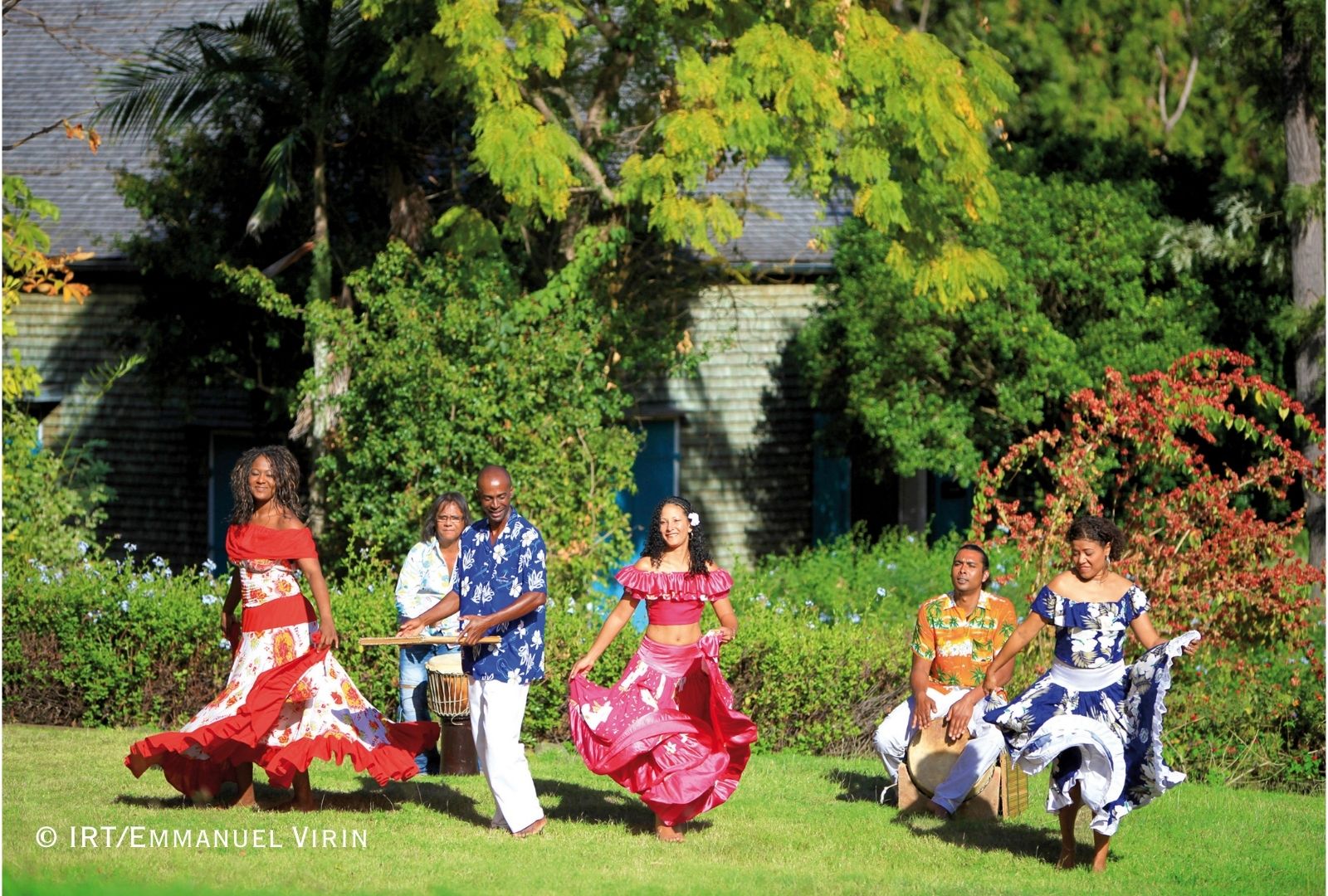
While technically part of Europe (thanks to its French status), Reunion feels like a lush, volcanic paradise far removed from the usual Eurotrip—offering dramatic landscapes, rich biodiversity, and vibrant Creole culture, all without the hassle of a visa for South African passport holders.
Visa? You’re sorted.
Since March 1, 2013, South African passport holders enjoy visa‑free access to Reunion Island for up to 90 days—no paperwork stress for an easy escape.
Reunion Island: South Africa’s Eco‑Adventure Next Door
🌍 Eco‑Credibility: Why Reunion is a Green Gem
🇫🇷 Natural & Protected Heritage
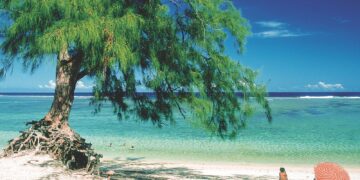
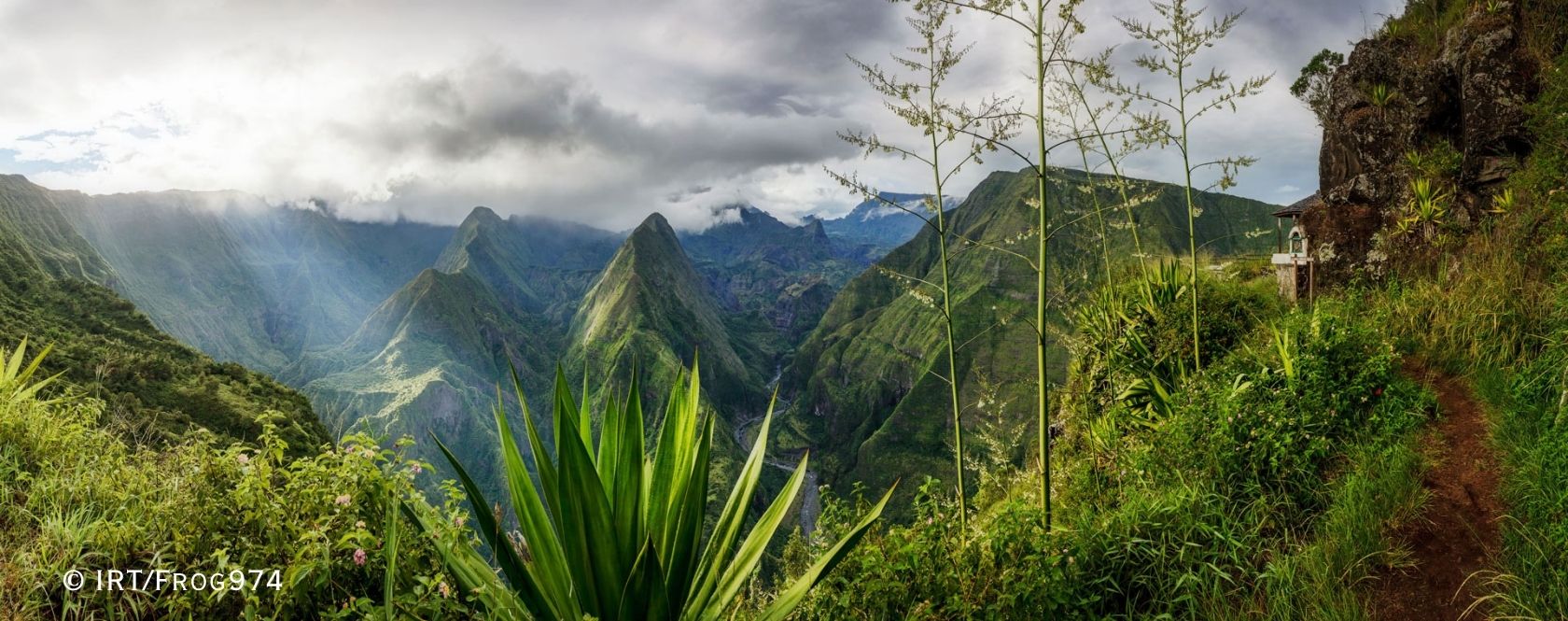
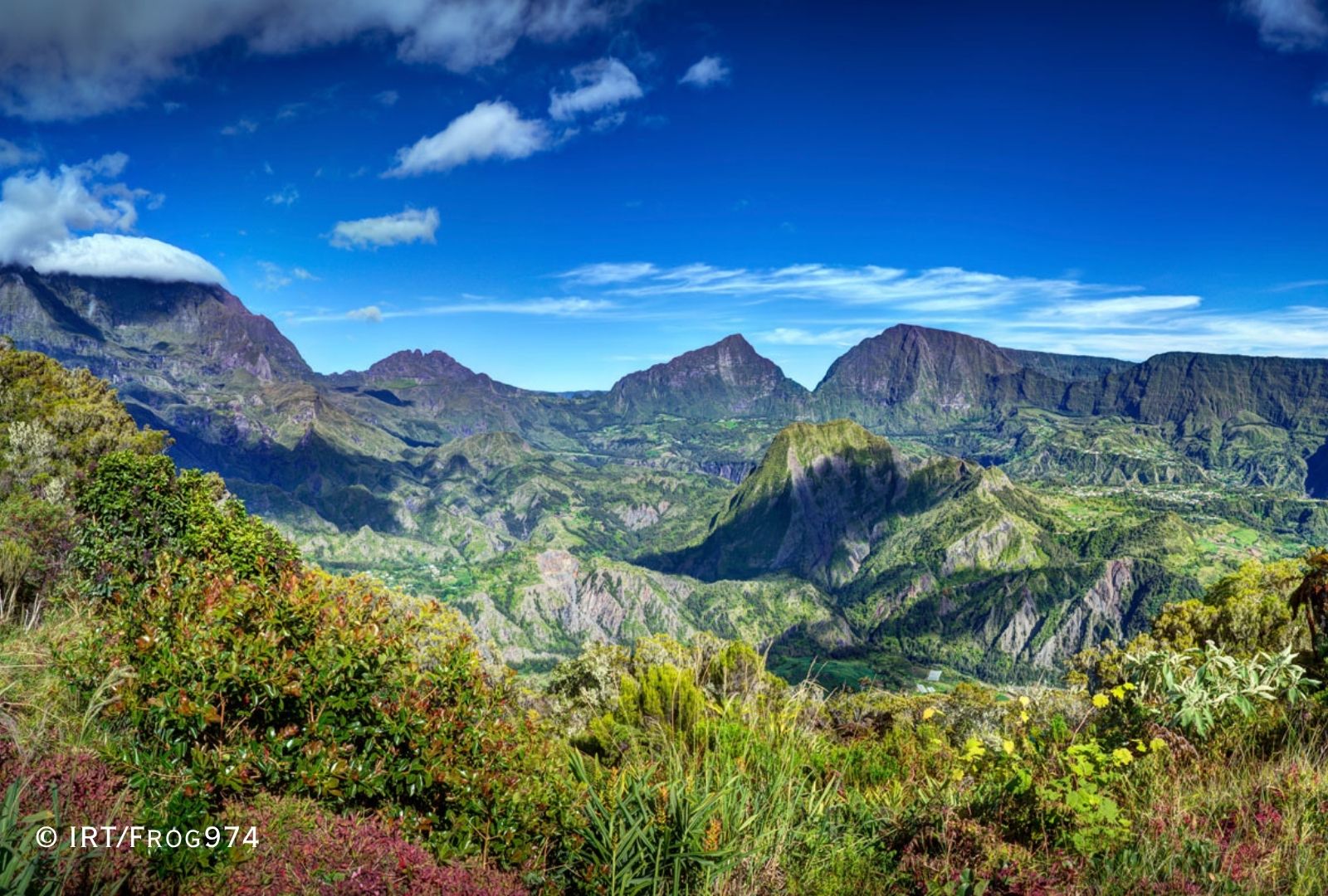
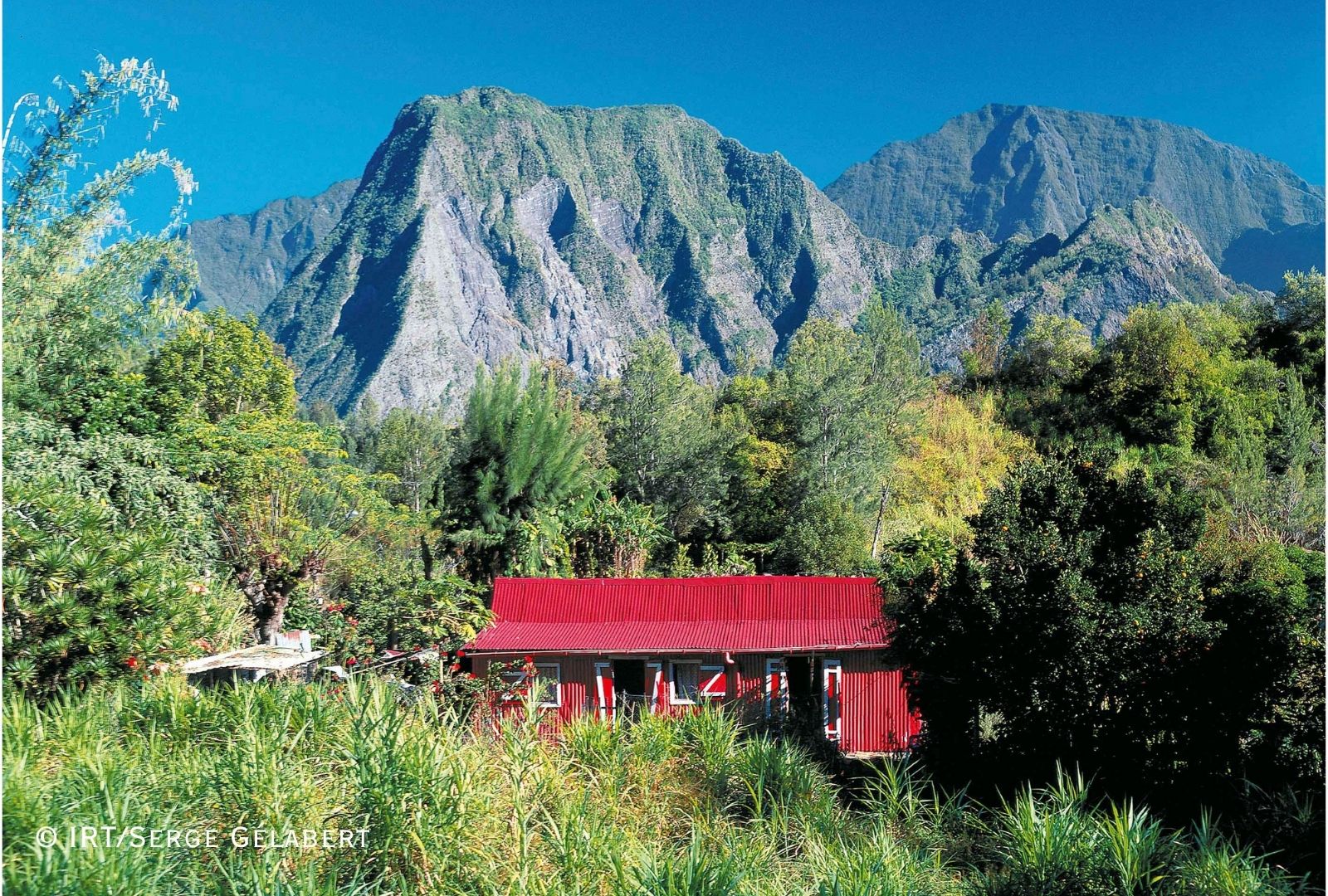
Approximately 42% of the island is encompassed within Réunion National Park, a UNESCO World Heritage Site safeguarding volcanic landscapes, endemic flora, and dramatic cirques like Mafate, Cilaos, and Salazie. Beaches and sun at St‑Gilles-les-Bains, rainforest-green valleys in Salazie, and volcanic moonscapes on the high plateau. Microclimates are the name of the game
🌱 Biodiversity hotspot
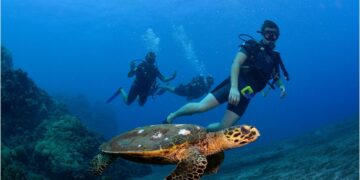
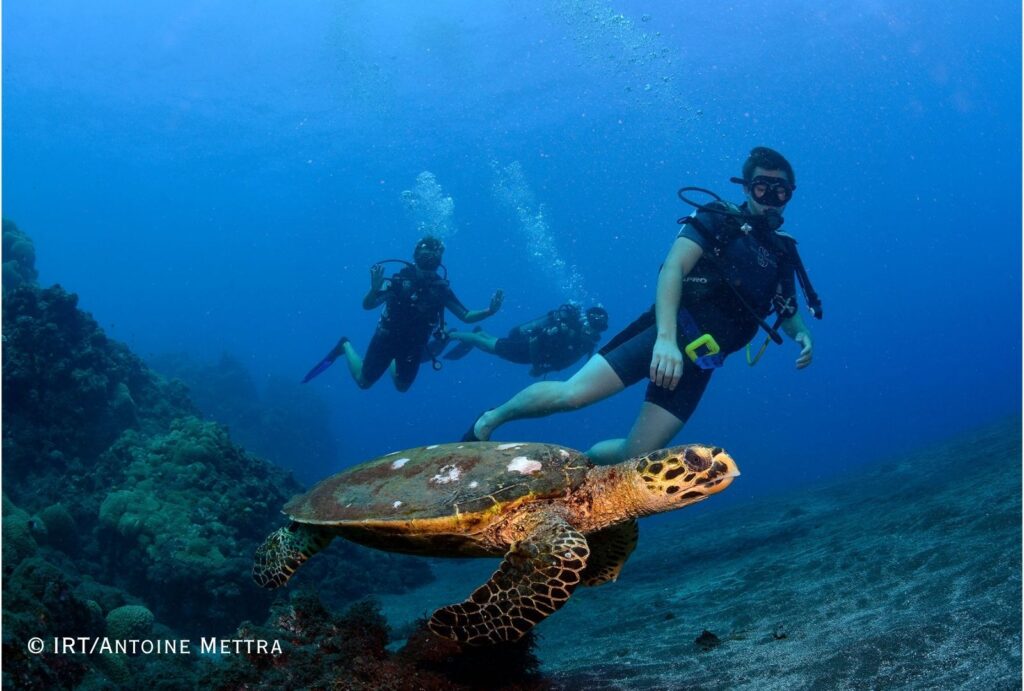
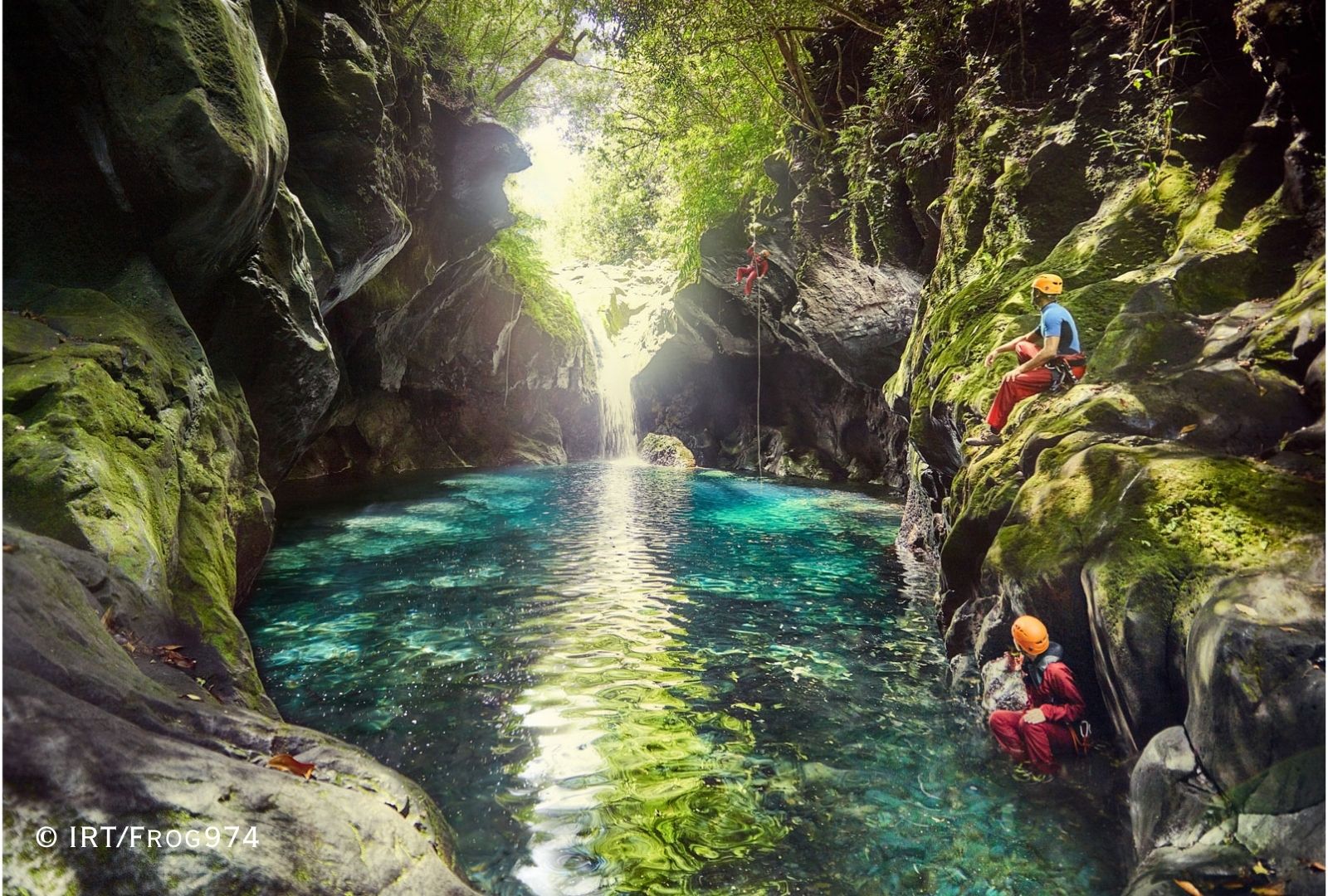
Reunion boasts over 850 native plant species, with nearly 230 endemic to the island—and many endangered. Its birdlife, reptiles, and marine ecosystems (like coral reefs and turtle breeding beaches) make it a global conservation priority.
💡 Renewable ambition
While energy import remains high, Reunion is expanding hydropower, solar and wind projects, shifting away from fossil dependency.Wikipedia
Nature-Fueled Adventure Itinerary: South African Way
Day 1–2: Arrive & Chill
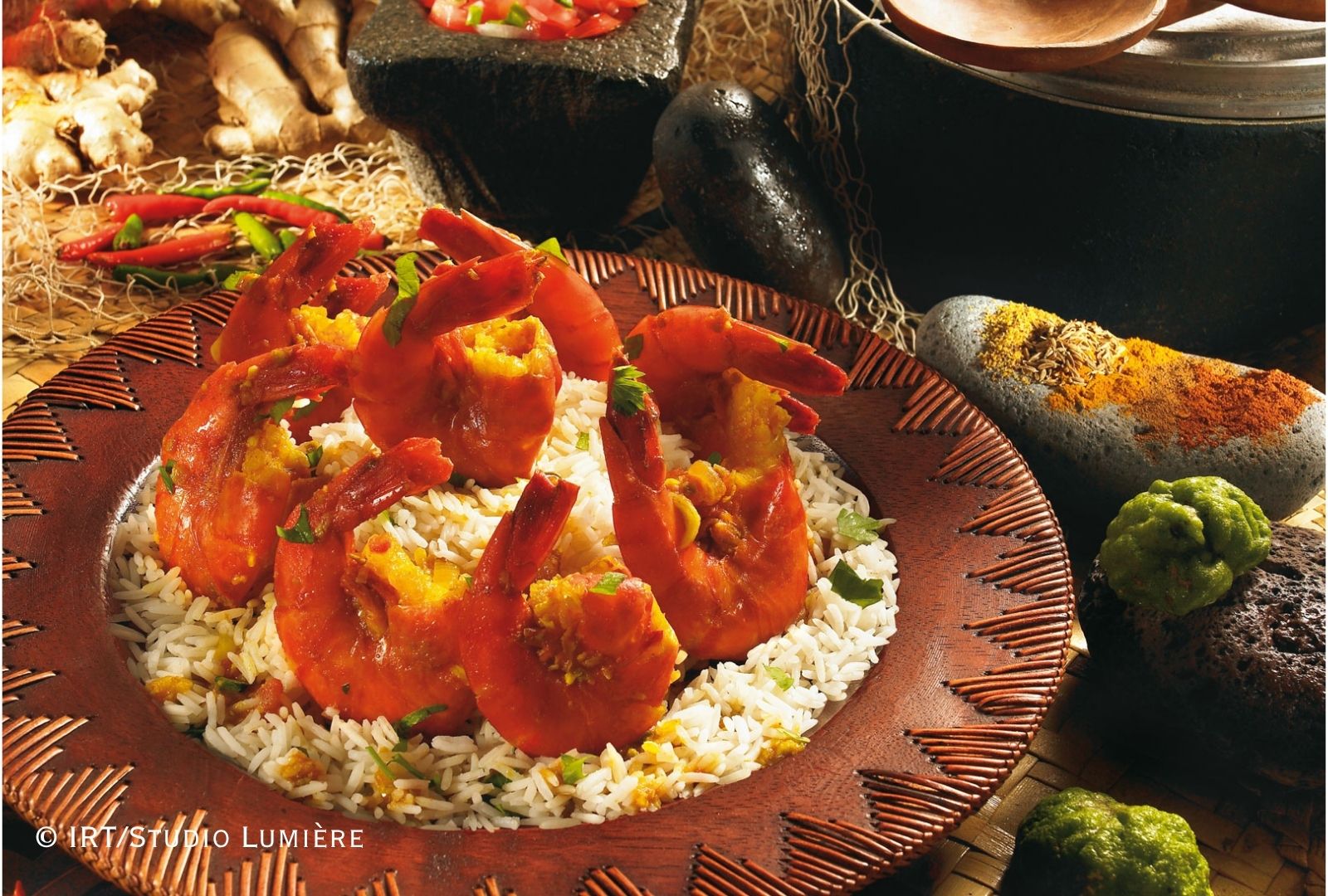
Fly direct from Johannesburg (about 4½ hrs) on Air Austral. Rent a car for freedom—rough roads and twisty mountain routes included. Kick off with sunset at Hermitage Beach and local Creole bites.TravpackerThompsons
Day 3: Cirques & Creole Culture
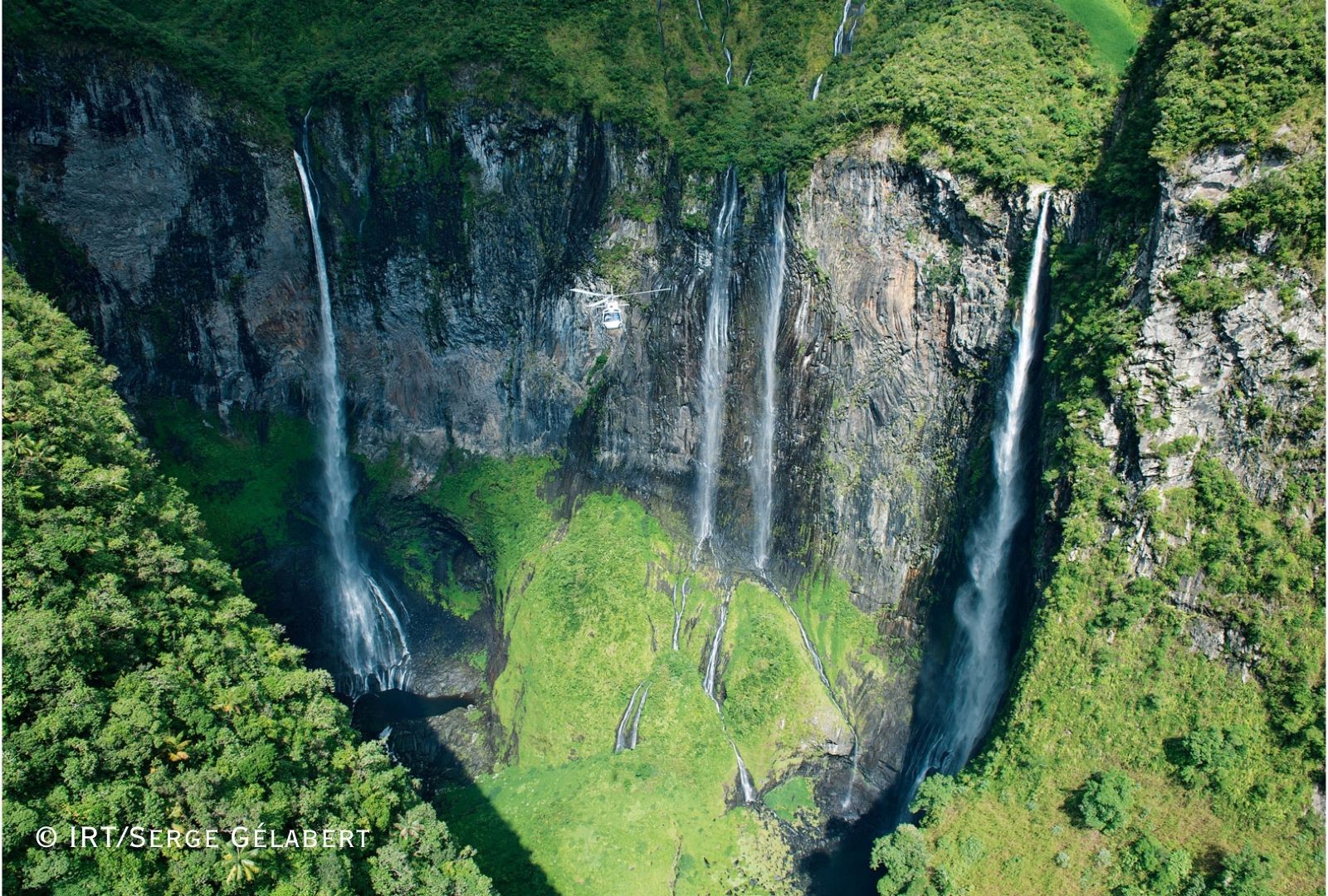
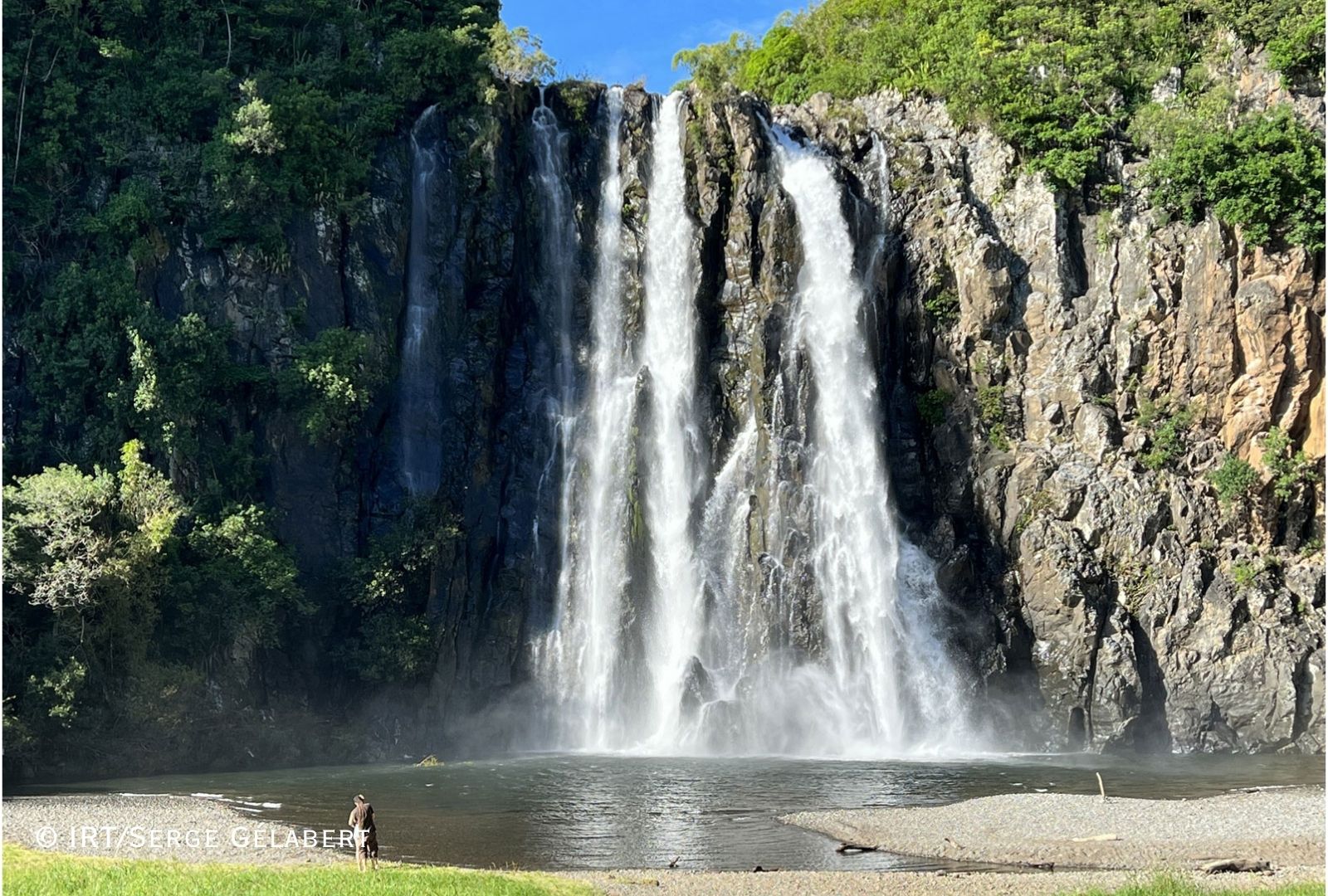
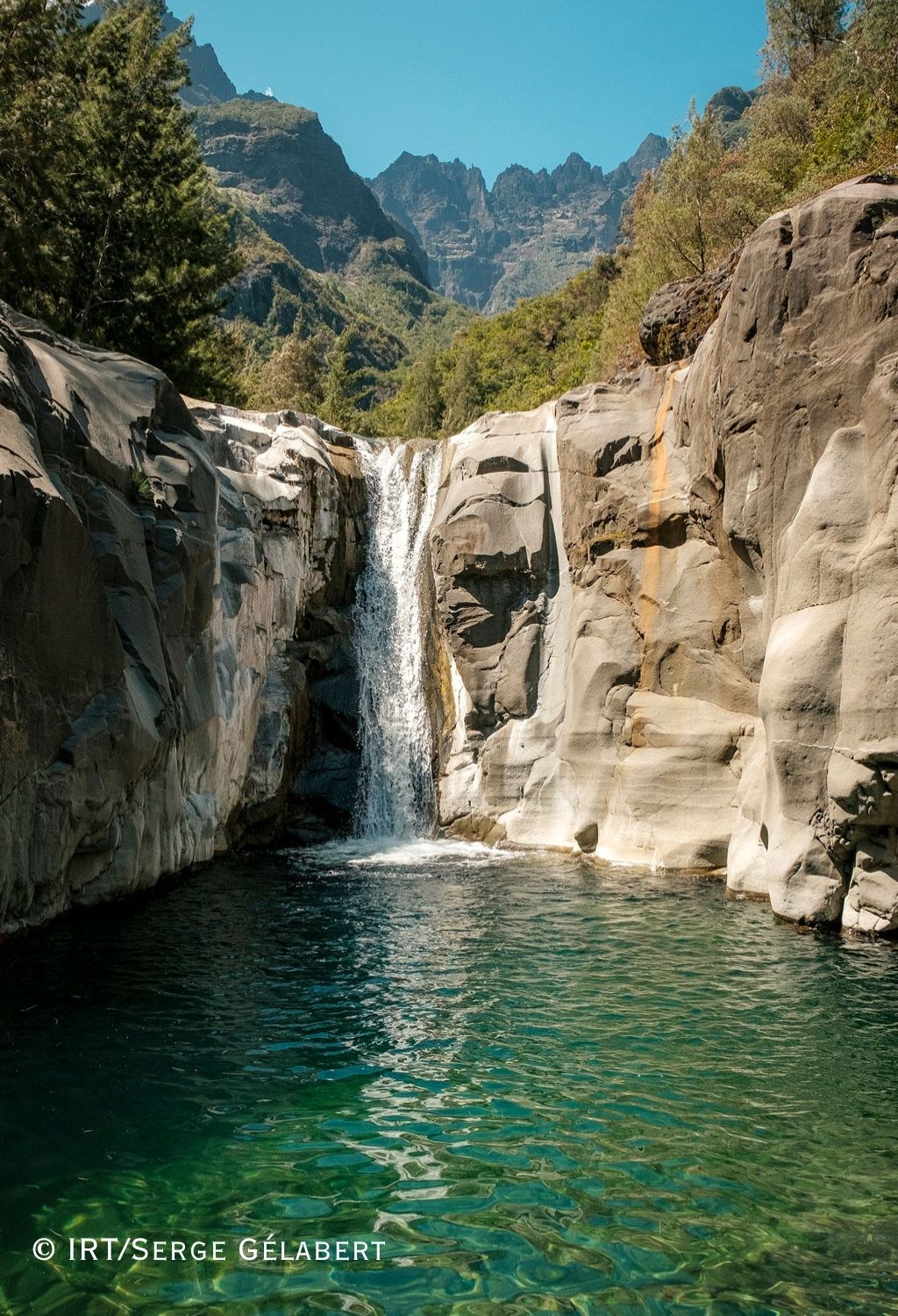
Drive into Cilaos or Salazie for waterfalls, local villages, and forest hikes with zero carbon guilt.
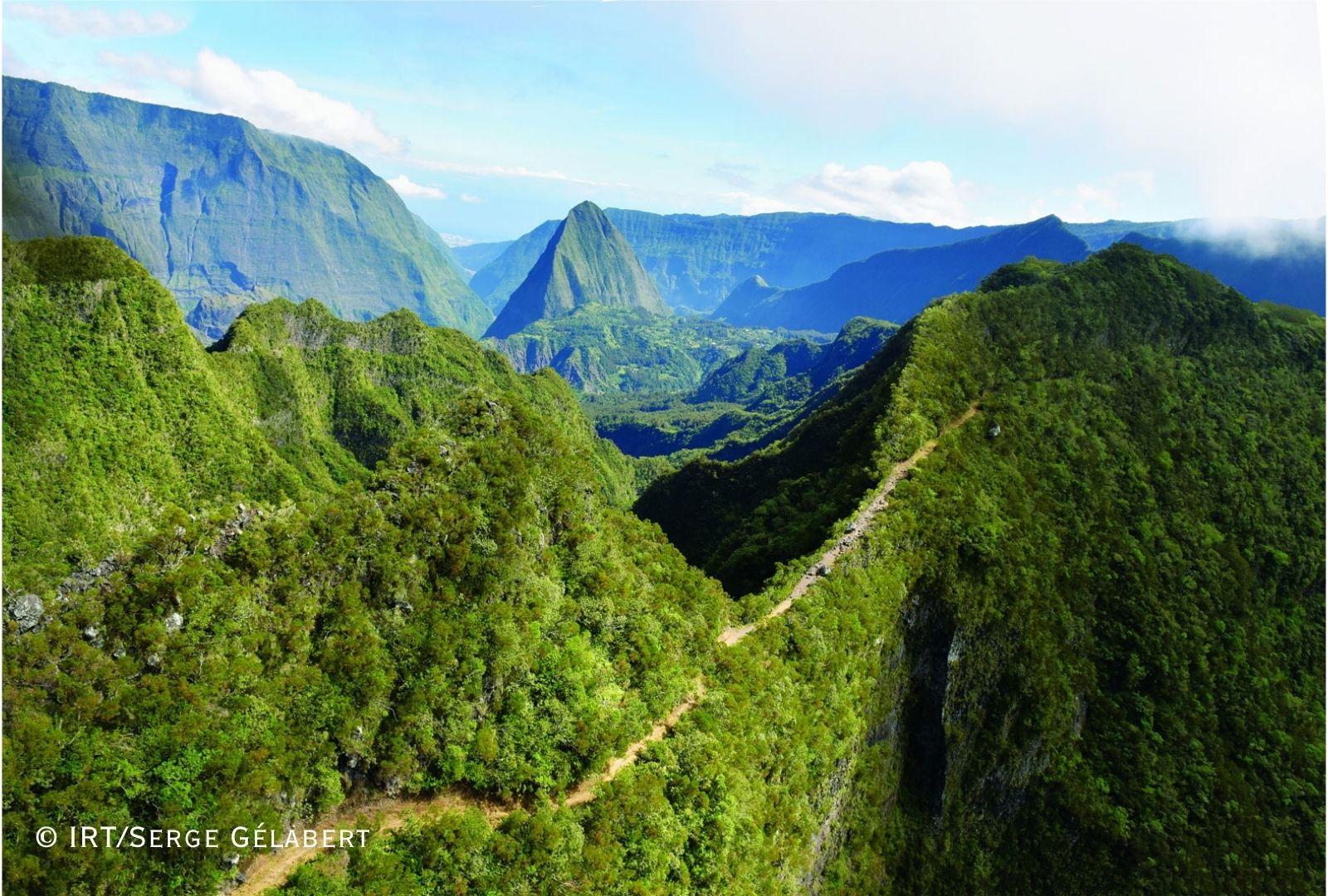
Day 4: Into Mafate
Either hike in or take a helicopter flight. No roads = no cars = full eco‑immersion.
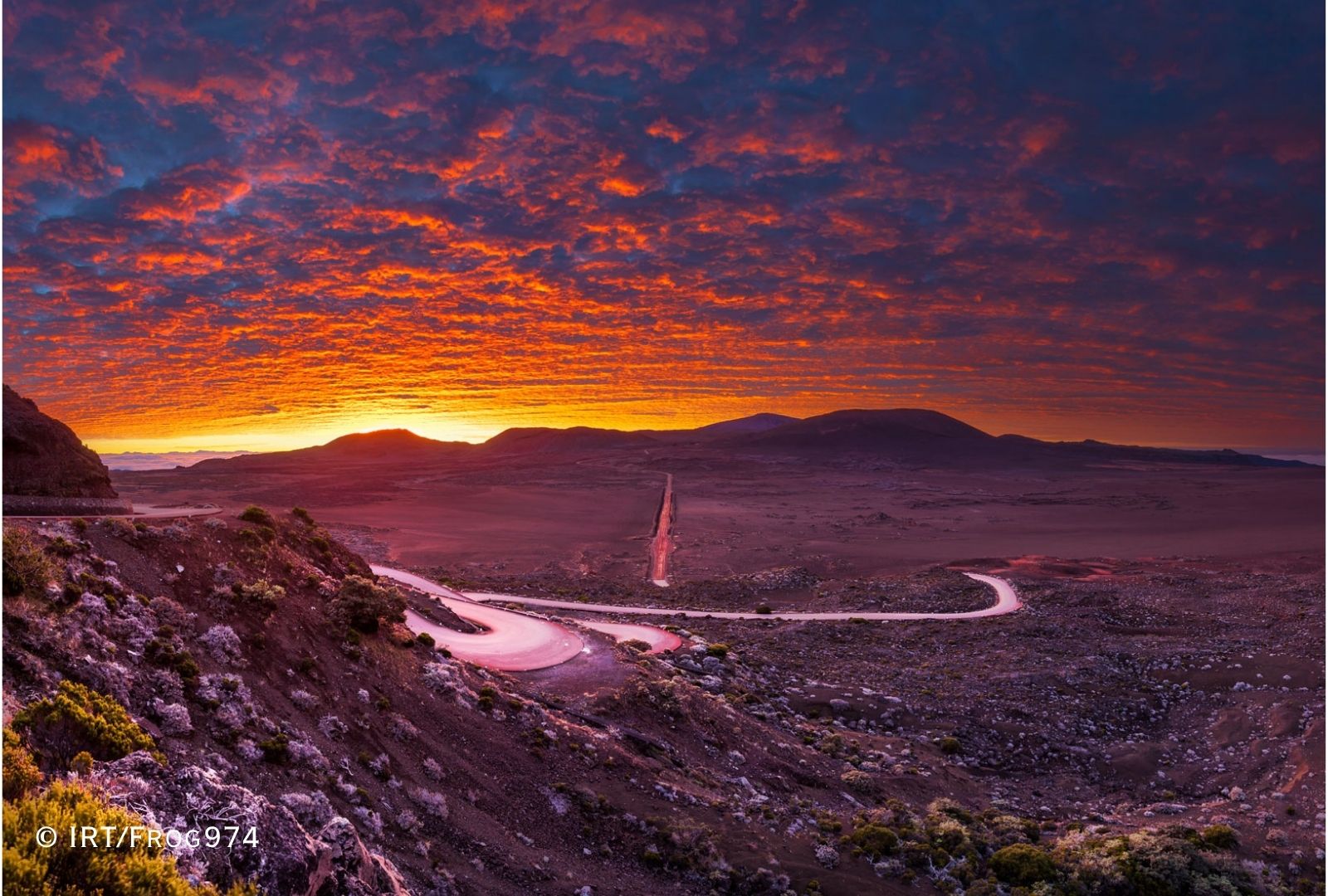
Day 5: Volcano Day
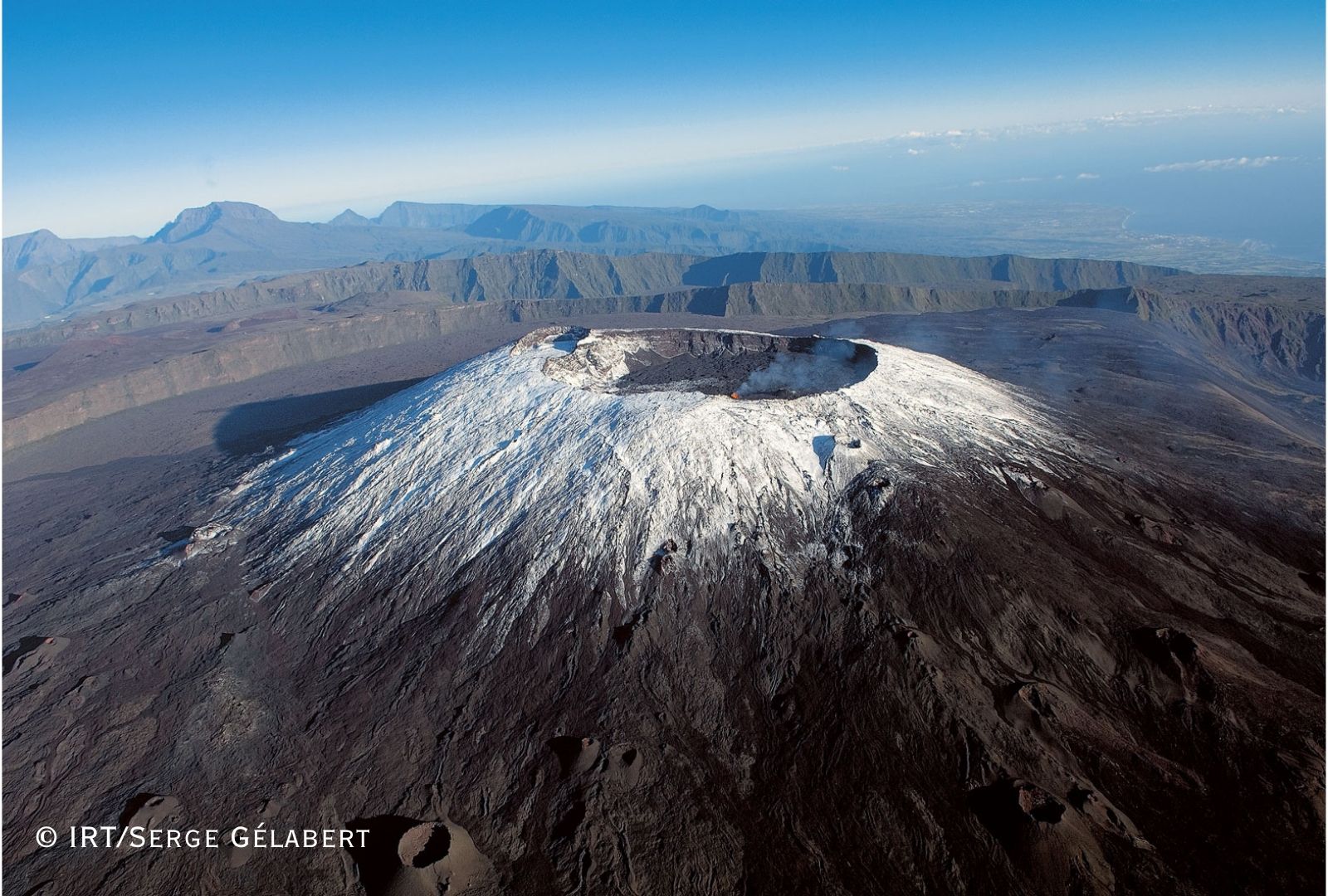
Scale or stroll to the rim of Piton de la Fournaise, one of the world’s most active volcanoes. Pack layers—volcano weather plays by its own rules.
Day 6: High-Plateau Views
Visit Le Maïdo viewpoint for sweeping panoramas over Mafate and Reunion’s green valleys.
Day 7: Marine Life & Mindfulness
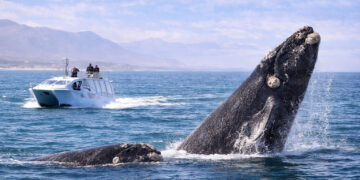
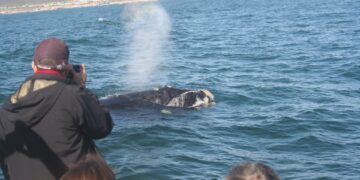
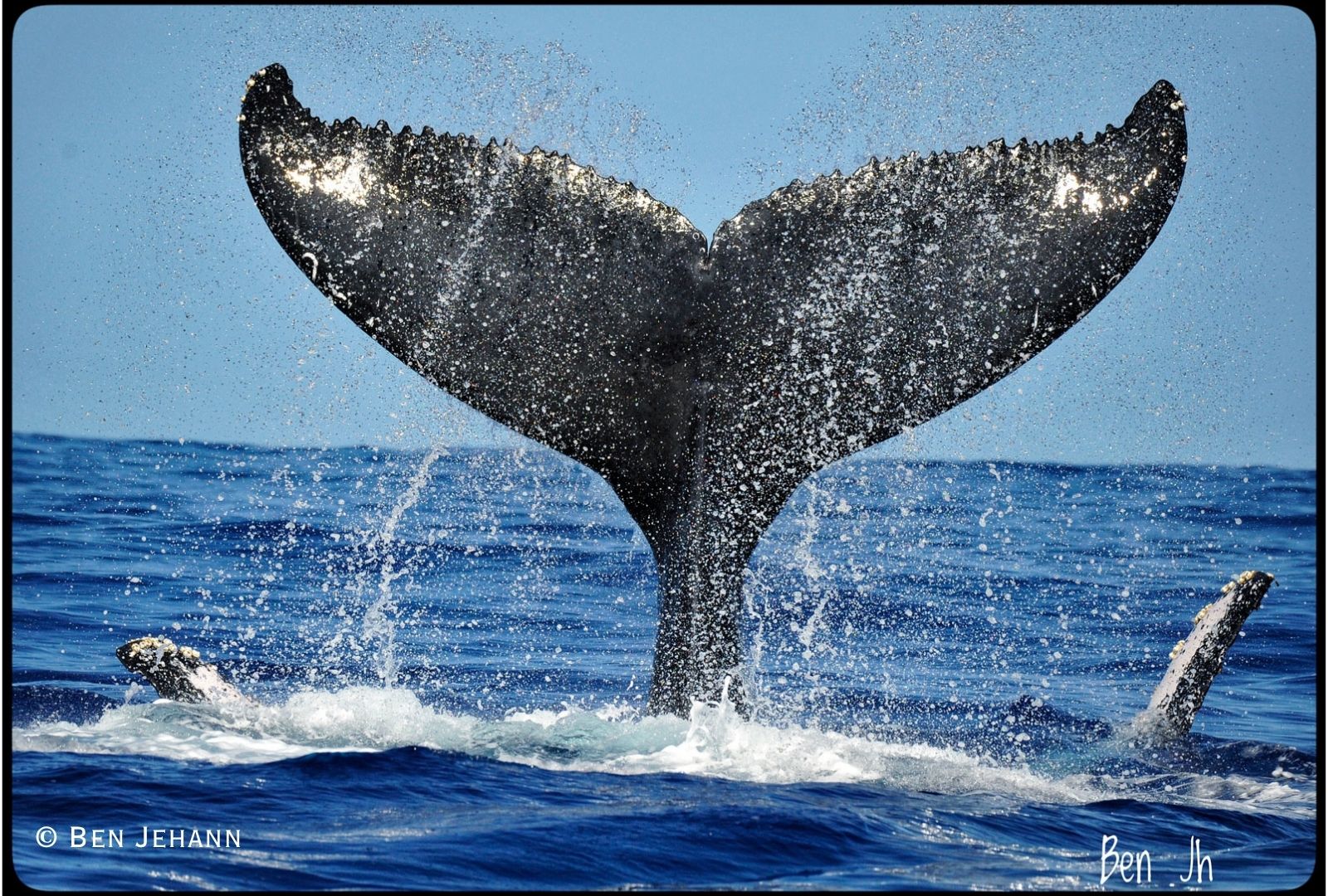
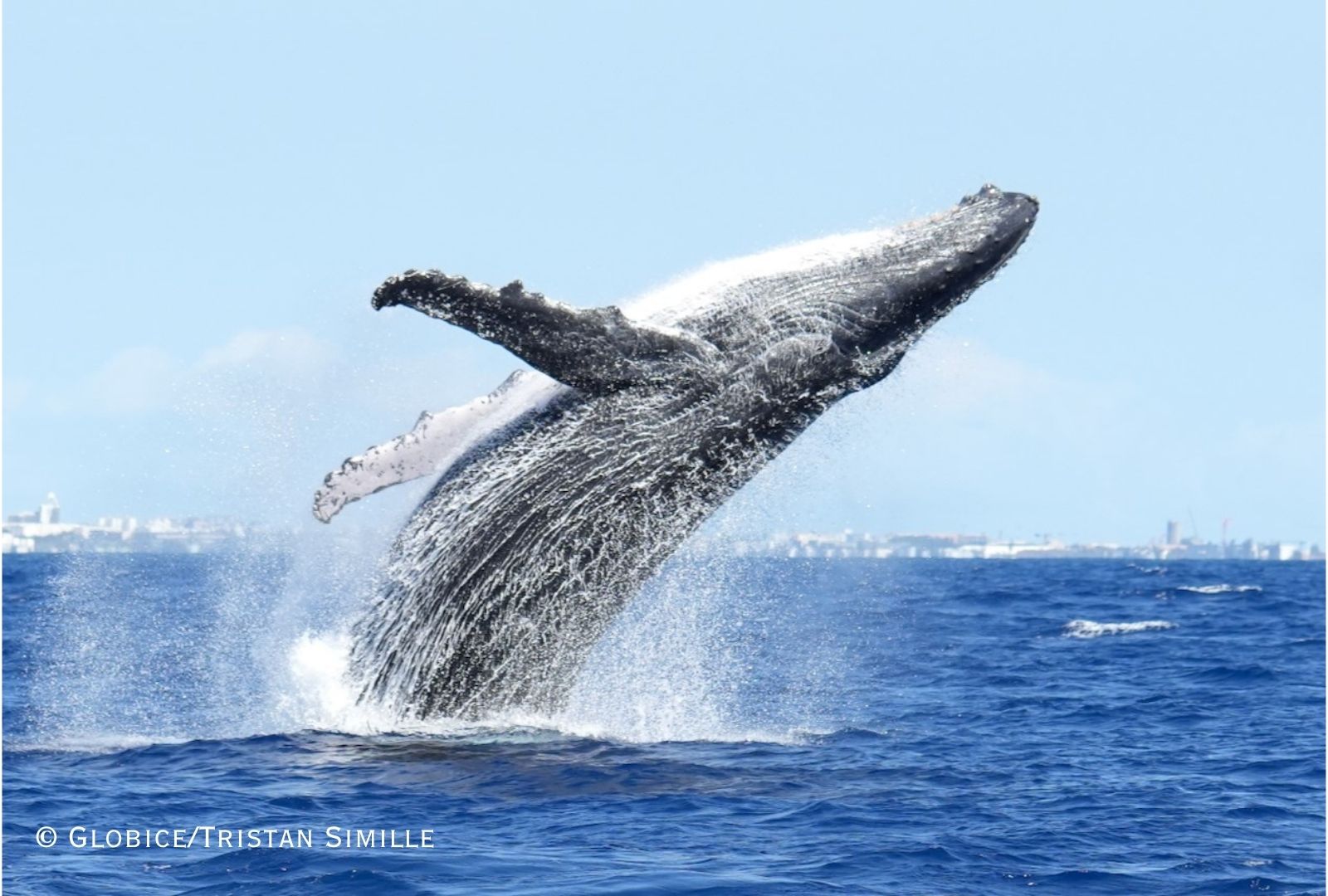
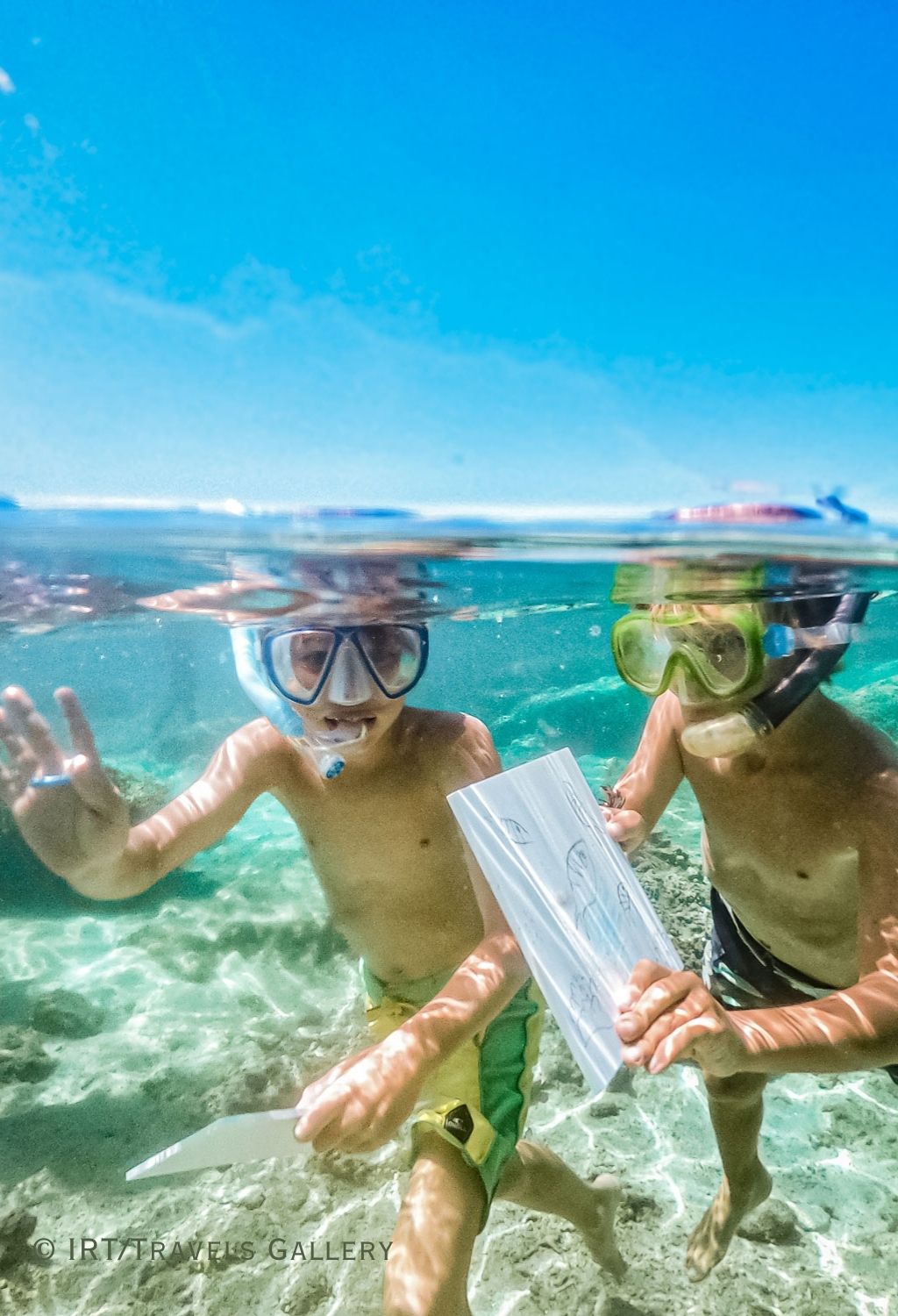
June–September is prime whale season—spot humpback whales from the west coast. Then unwind with snorkeling in coral reef lagoons.
Eco-Tips for South Africans Who Give a Damn
Respect trails & signage within the national park.
Support local conservation, e.g. turtle nesting patrols or eco‑lodge stays.
Low-impact palm foraging: try the island’s wild vanilla and exotic fruits—but leave them for biodiversity.
Sustainable travel packages are available via South African operators like Quintrip, offering bespoke trips that balance carbon footprints and comfort
South African tourist travelling to Reunion Island
Raw, rugged and real—less touristy, more authentic.
Easy on the eco-footprint
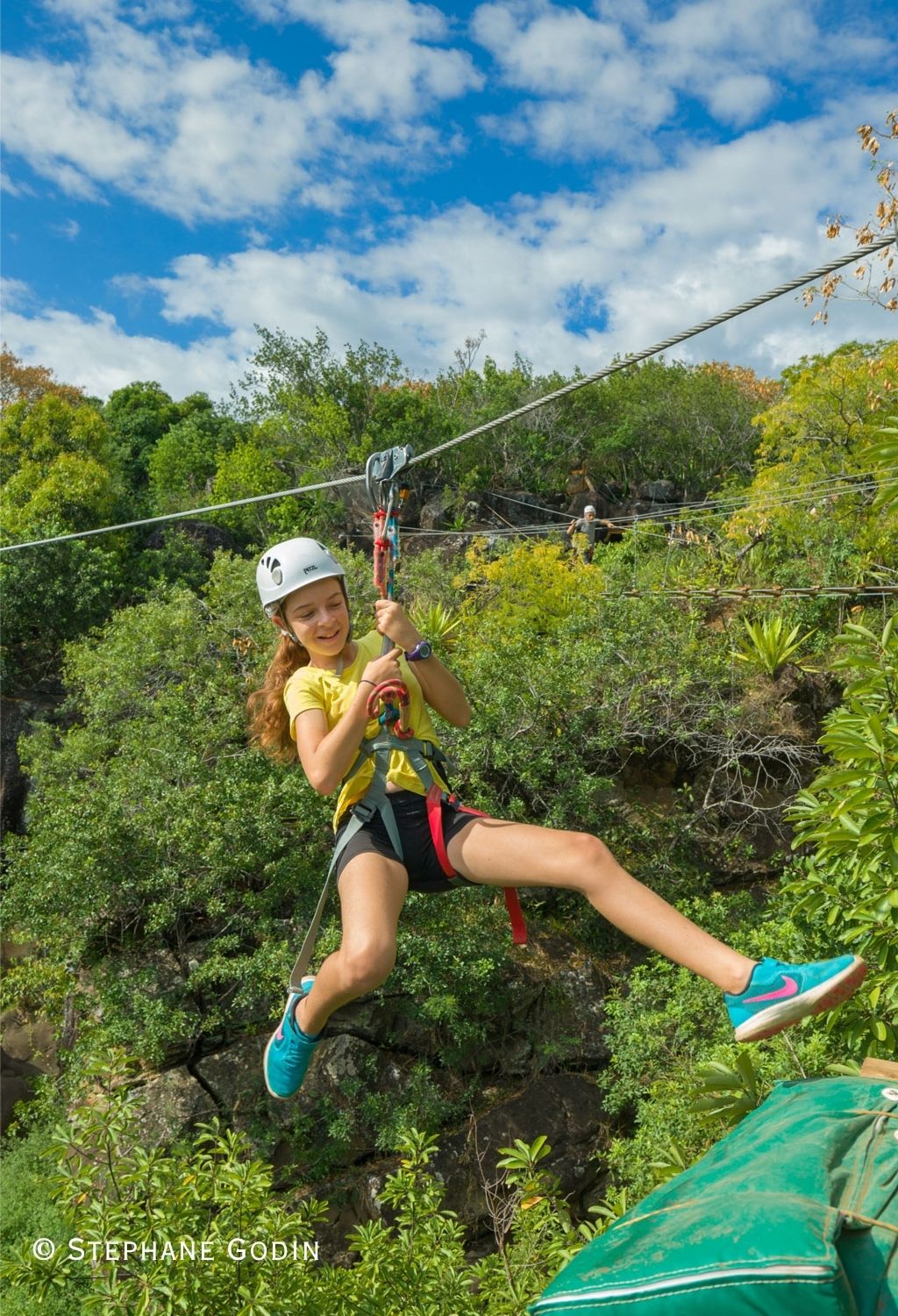
Hiking‑focused adventures beat resorts.
Accessible
Short flight, euro-based infrastructure, French standards.
Natural contrast
Beaches, rainforest, volcanoes—all in one island experience.
Reunion isn’t just another beachy getaway—it’s a wild, green playground tailor-made for South Africans who crave adventure without sacrificing environmental integrity.
No visa, no bull—just impressive biodiversity, epic terrain, and eco-conscious ways to explore. Think of it as nature’s audacious answer to the standard island holiday.
Want help picking eco‑friendly lodges, vegetarian Creole dishes to try, or routes that minimise carbon? I’ve got you.